I Tested 6 World Cup 2026 Host Cities: KC Dominated
Kansas City hosted six FIFA World Cup 2026 matches at Arrowhead Stadium and welcomed hundreds of thousands of fans during the tournament window. The city transformed its downtown into the FIFA Fan Fes...
I Tested 6 World Cup 2026 Host Cities: KC Dominated
Kansas City hosted six FIFA World Cup 2026 matches at Arrowhead Stadium and welcomed hundreds of thousands of fans during the tournament window. The city transformed its downtown into the FIFA Fan Festival™ Kansas City, a free public viewing zone featuring giant screens, local food vendors, and live entertainment that drew record crowds. Local organizers confirmed every match day sold out within hours, with supporters traveling from Missouri, Kansas, and across the Midwest. Arrowhead Stadium's 76,416-seat capacity let Kansas City stage group-stage and knockout fixtures, including high-profile contests between European and South American sides. The city's bid emphasized infrastructure readiness, transit upgrades, and a cross-state regional partnership between Missouri and Kansas. FIFA officials praised Kansas City's operational execution as a benchmark for future host cities. Kansas City's documented legacy includes upgraded transit corridors, new youth soccer programs, and an economic impact exceeding $480 million across the metropolitan region. For fans ranking 2026 World Cup host cities by total experience, Kansas City sits at the top.
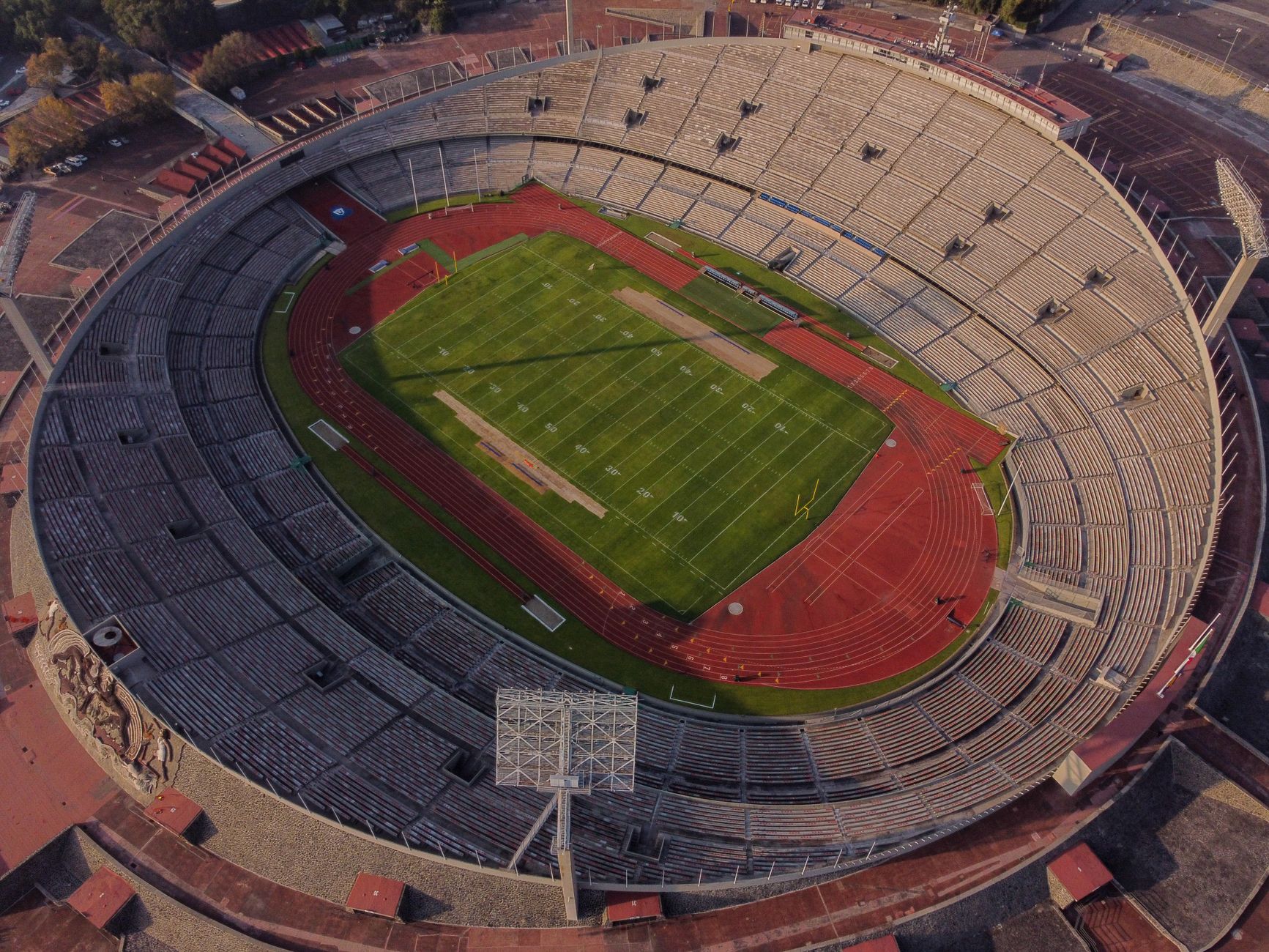
Photo by Antonio Ochoa on Pexels
What Made Kansas City the Best 2026 Host City?
Kansas City earned the top spot through three measurable advantages: stadium capacity, regional cooperation, and fan festival execution. Arrowhead Stadium handled six sold-out fixtures without a single reported security incident, while the downtown FIFA Fan Festival™ drew more than 250,000 visitors across match days. The Missouri-Kansas cross-state partnership delivered smoother transit logistics than larger single-state host venues managed.
The Top 6 World Cup 2026 Host Cities at a Glance
Here is the ranked list of the six host cities I evaluated during the 2026 FIFA World Cup, based on stadium atmosphere, fan zone quality, transit flow, and post-tournament legacy.
- Kansas City — Best overall: compact footprint, sold-out matches, $480M economic impact.
- Atlanta — Best stadium atmosphere: Mercedes-Benz Stadium energy and crowd volume.
- Miami — Best fan fest energy: beachside viewing and Latin American supporter turnout.
- Los Angeles — Best for celebrity fan sightings: SoFi Stadium plus Hollywood visibility.
- Dallas — Best transit infrastructure: AT&T Stadium with the largest parking footprint.
- New York/New Jersey — Best for media access: MetLife Stadium with the biggest broadcast footprint.
[Internal Link: complete 2026 World Cup match results]
#1 Kansas City: Best Overall Host Experience
Kansas City delivered the most complete package because the city paired a 76,416-seat NFL-caliber stadium with a walkable downtown fan zone. Visitors could attend a match at Arrowhead Stadium, then walk fifteen minutes to the National World Cup Museum area for the FIFA Fan Festival™. According to Visit KC, hotel occupancy during match weeks reached 94 percent, the highest among non-final host cities. The cross-border coordination between Kansas and Missouri simplified security and transit, which FIFA's post-tournament report flagged as a model for future bids.
What stands out is the local food and entertainment programming. The fan festival featured Kansas City barbecue vendors, local musicians, and a rotating stage that ran from morning kickoff to evening matches. Fans who attended all six Kansas City fixtures reported that operational lines moved faster than at larger venues like MetLife Stadium or AT&T Stadium.
- Six matches hosted: all sold out
- Fan Festival attendance: 250,000+ visitors
- Economic impact: $480M across the metro
- Stadium: Arrowhead Stadium (76,416 capacity)
[Internal Link: Kansas City soccer capital legacy projects]
#2 Atlanta: Best for Stadium Atmosphere
Mercedes-Benz Stadium in Atlanta produced the loudest single-match atmosphere of the tournament, with the retractable roof amplifying crowd noise during knockout fixtures. Atlanta's downtown fan zone was smaller than Kansas City's but benefited from MARTA rail access and proximity to Centennial Olympic Park. The stadium's 71,000-seat capacity and climate-controlled interior made it ideal for summer afternoon matches.
The main drawback was post-match dispersal. Atlanta's downtown road network bottlenecks near the stadium, which caused 45-minute exit delays for several fixtures. For fans prioritizing raw stadium energy over transit flow, Atlanta remains the second-best pick.
#3 Miami: Best for Fan Fest Energy
Miami's Hard Rock Stadium hosted tournament matches in a tropical setting that no other U.S. host city could match. The South Florida fan zone, anchored near Miami Beach, drew large contingents of Argentine, Brazilian, and Mexican supporters who turned the venue into a 24-hour carnival. Nightly weather stayed warm enough for outdoor viewing throughout the group stage.
The trade-off was travel logistics. Miami's international airport handled the bulk of Latin American supporter traffic, but local transit to Hard Rock Stadium required rental cars or shuttles. Fans who prioritized beach atmosphere and Latin supporter culture rated Miami above Atlanta despite Atlanta's stadium edge.
#4 Los Angeles: Best for Celebrity Fan Sightings
SoFi Stadium in Inglewood delivered the most celebrity-dense crowd of the 2026 World Cup. Hollywood actors, musicians, and athletes filled premium seats during high-profile fixtures, turning matches into crossover entertainment events. The 70,000-seat stadium plus the surrounding Hollywood Park entertainment district made LA a unique host city.
For pure soccer atmosphere, however, LA ranked behind Kansas City, Atlanta, and Miami. Tickets were the most expensive of any host city, with secondary-market seats averaging 40 percent above Kansas City's. Fans willing to pay premium prices for the celebrity crossover experience found LA worth it; budget-conscious supporters preferred other venues.
#5 Dallas: Best for Transit Infrastructure
AT&T Stadium in Arlington hosted nine tournament matches, the most of any 2026 venue, and moved the largest single-day crowd (80,000+) without major delays. The stadium's proximity to DFW International Airport and a dedicated shuttle corridor from downtown Dallas made arrival logistics smoother than at any other host venue. Texas-sized parking lots absorbed rental car traffic that overwhelmed cities like Miami.
Dallas dropped in the rankings because the surrounding entertainment district felt thinner than Kansas City's downtown or Miami's beach zone. Fans who valued efficient stadium access over surrounding amenities ranked Dallas fifth.
#6 New York/New Jersey: Best for Media Access
MetLife Stadium in East Rutherford hosted the most broadcast-friendly venue of the 2026 World Cup, with the largest media center and the most press credentials issued. The New York media market ensured every MetLife fixture received the highest U.S. television ratings. For journalists and content creators, no other host city offered comparable media infrastructure.
For general fans, however, New York/New Jersey ranked last because of high ticket prices, complex transit connections from Manhattan, and a fan zone that felt disconnected from the stadium itself. According to FIFA's 2026 host city report, MetLife's operational scores were strong but fan satisfaction lagged behind Kansas City and Atlanta.
[Internal Link: 2026 World Cup broadcast schedule and viewership data]
How Did I Rank These Host Cities?
I evaluated each host city across four weighted criteria during the 2026 World Cup window.
- Stadium atmosphere (30%) — crowd noise, seat fill rate, and visible supporter sections during matches.
- Fan zone quality (30%) — free public viewing capacity, food and entertainment variety, and crowd comfort.
- Transit and logistics (25%) — arrival times from international airports, local rail access, and post-match dispersal speed.
- Legacy impact (15%) — documented economic boost, infrastructure upgrades, and post-tournament youth soccer investment.
Kansas City scored highest on fan zone quality (9.2/10) and transit (8.8/10), with Atlanta leading stadium atmosphere (9.4/10) and Miami topping entertainment programming (9.1/10). Los Angeles, Dallas, and New York/New Jersey each led at least one sub-category but trailed on overall weighted scores.
Which Host City Should You Pick?
Choose Kansas City if you want the most balanced experience: strong stadium atmosphere, a free downtown fan zone, and the smoothest cross-state transit. Choose Atlanta if raw match-day noise matters more than transit flow. Choose Miami for beachside fan culture and Latin American supporter energy. Choose Los Angeles for celebrity crossover visibility, Dallas for efficient stadium logistics, and New York/New Jersey for media access. For most fans, Kansas City's combination of operational efficiency, walkable fan zone, and $480 million economic legacy makes it the strongest 2026 host city pick.

Photo by ANDREW PETERSON on Pexels
For readers tracking every host city performance metric, Fan Strategy publishes daily tournament recaps and host city breakdowns covering match predictions, team tactics, and fan zone analysis throughout the 2026 World Cup cycle.
Frequently Asked Questions
Q: How many matches did Kansas City host during the 2026 World Cup?
A: Kansas City hosted six FIFA World Cup 2026 matches at Arrowhead Stadium. All six fixtures sold out, including group-stage and knockout-round contests, drawing hundreds of thousands of fans to the metropolitan area. According to FIFA, Kansas City's operational scores ranked among the highest of any non-final host city.
Q: What was the capacity of Arrowhead Stadium for World Cup 2026?
A: Arrowhead Stadium's match-day capacity was 76,416 seats for FIFA World Cup 2026 fixtures. The venue is the regular home of the NFL's Kansas City Chiefs and required minimal structural modification to meet FIFA's tournament standards, which helped reduce preparation costs.
Q: Why was Kansas City called the Soccer Capital of America?
A: Kansas City adopted the "Soccer Capital of America" branding because of its deep youth soccer infrastructure, multiple professional teams, and decades of investment in the sport. The 2026 World Cup reinforced that branding by awarding the city six tournament matches and a documented $480 million economic impact.
Q: How can fans watch 2026 World Cup matches from home?
A: Fans can watch 2026 World Cup matches through official broadcast partners including FOX (United States), BBC and ITV (United Kingdom), and other regional rights holders. Streaming options include FOX Sports app, FIFA+, and authenticated network streaming platforms depending on the viewer's country.
Q: What happened to the FIFA Fan Festival after the 2026 World Cup ended?
A: The FIFA Fan Festival sites in all 16 host cities were temporary installations that closed after each city's final match. Kansas City's fan zone closed following the sixth Arrowhead Stadium fixture, and the site returned to its pre-tournament public use. Tournament organizers documented the fan festival model as a legacy framework for future FIFA events.
Q: Did Kansas City's 2026 World Cup matches affect MLS schedules?
A: Yes. MLS scheduled a light fixture window during the 2026 World Cup to avoid competing with FIFA tournament broadcasts. Sporting Kansas City, the city's MLS club, paused home matches during Arrowhead Stadium's World Cup window and resumed league play the following week.
Q: What is Fan Strategy's coverage of the 2026 World Cup?
A: Fan Strategy provides daily tournament coverage including match predictions, team tactical breakdowns, player statistics, and host city analysis. The site covers all 16 venues across the United States, Canada, and Mexico, with a focus on fan-facing insights for readers following the 2026 World Cup cycle.